
Bell Training a Puppy: 3 Stages and How to Stop Fake Rings
In this article
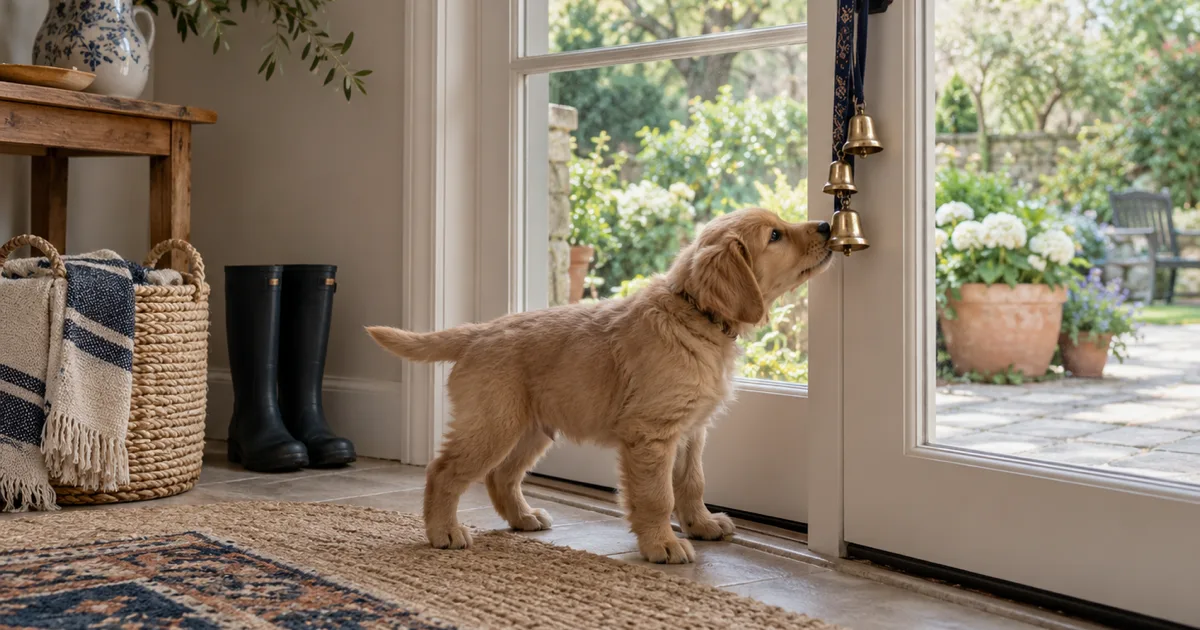
Bell training a puppy means teaching them to touch a bell by the door when they need to go out. It works well for many puppies, as long as the bell only ever means one thing: a short, boring potty trip. Let the bell open the door to play and you will have a puppy ringing it every ten minutes.
The bell does not potty train your puppy. It gives a puppy who already goes outside a clear way to tell you. So start with a predictable potty schedule, then add the bell on top of it. If your dog is an adult who never learned where to go, start with house training basics and add the bell after.
Is bell training good for puppies?
Yes, for most puppies it is a useful extra. Many puppies signal by standing quietly at the door, which is easy to miss from the next room. A bell is loud, clear and easy to learn with treats. The AKC's guide to bell training describes the same basic idea: pair the bell with going out, and reward the touch.
It is less useful if potty trips are still unpredictable, or if the bell becomes the way your puppy asks for everything. Both are fixable, and both are covered below.
What age can you bell train a puppy?
You can start as soon as your puppy comes home, usually around 8 weeks. Young puppies learn to nose or paw a bell quickly. What they cannot do yet is hold it for long, so at first the bell rides along with your scheduled trips rather than replacing them. The 8 week old puppy schedule shows how often those trips come at that age.
Pick and hang the bell
Any bell that is easy to ring and safe to touch works: a strand of bells on a strap, or a push bell on the floor. Hang a strand at the height of your puppy's nose, on the door you use for potty trips only. Raise it as your puppy grows. Supervise at first, since some puppies try to chew the strap.
The three stages of bell training
| Stage | What you do | Move on when |
|---|---|---|
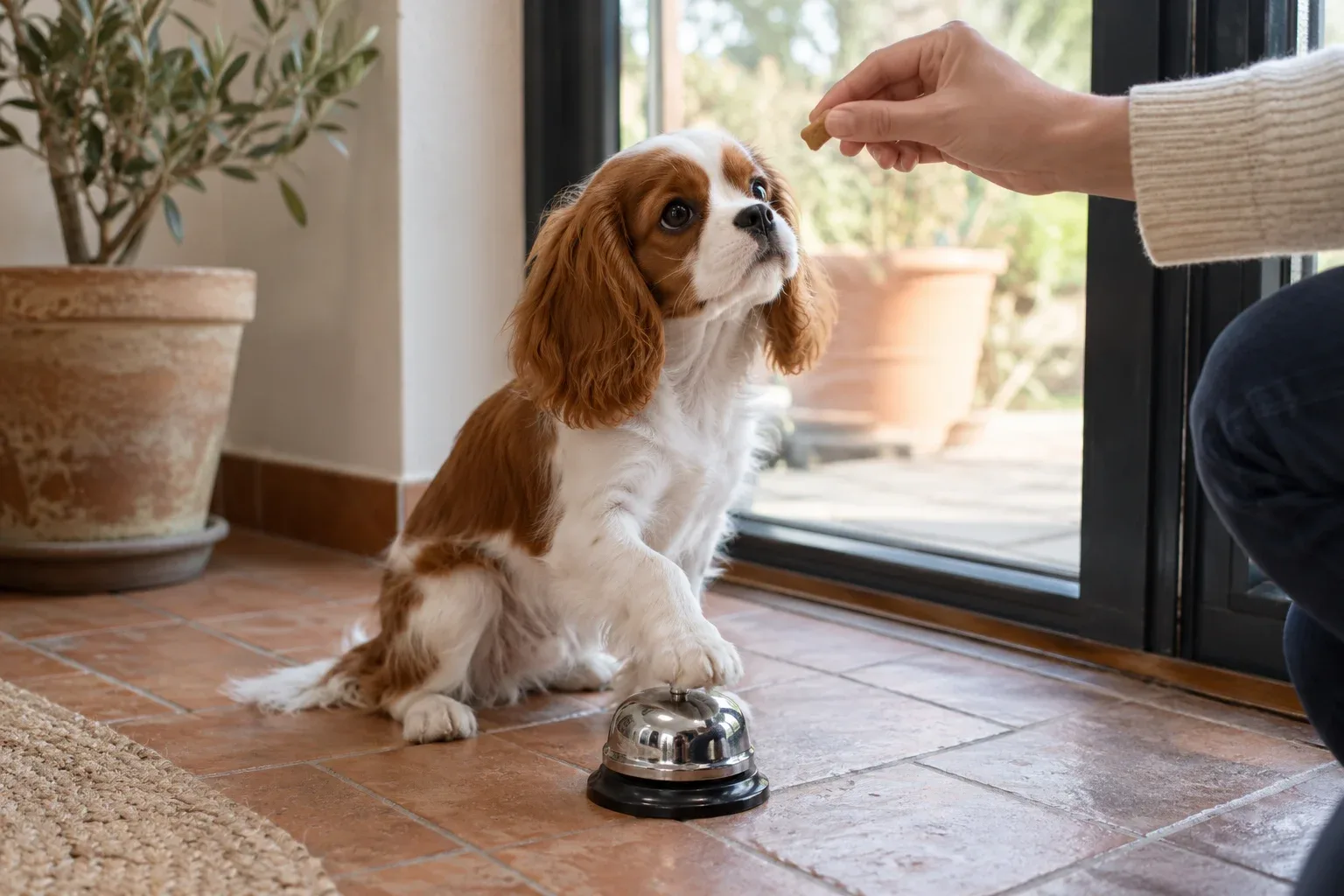
| 1. Touch | Reward your puppy for touching the bell with nose or paw, away from potty time | Your puppy touches it reliably when you hold it out |
| 2. Ring to open | Before each scheduled potty trip, wait for a ring, then open the door | Your puppy rings at the door without help most trips |
| 3. Ring to ask | Answer every ring between trips with a short, boring potty trip | Rings line up with real potty needs, not boredom |
How to bell train a puppy
- Teach the touch
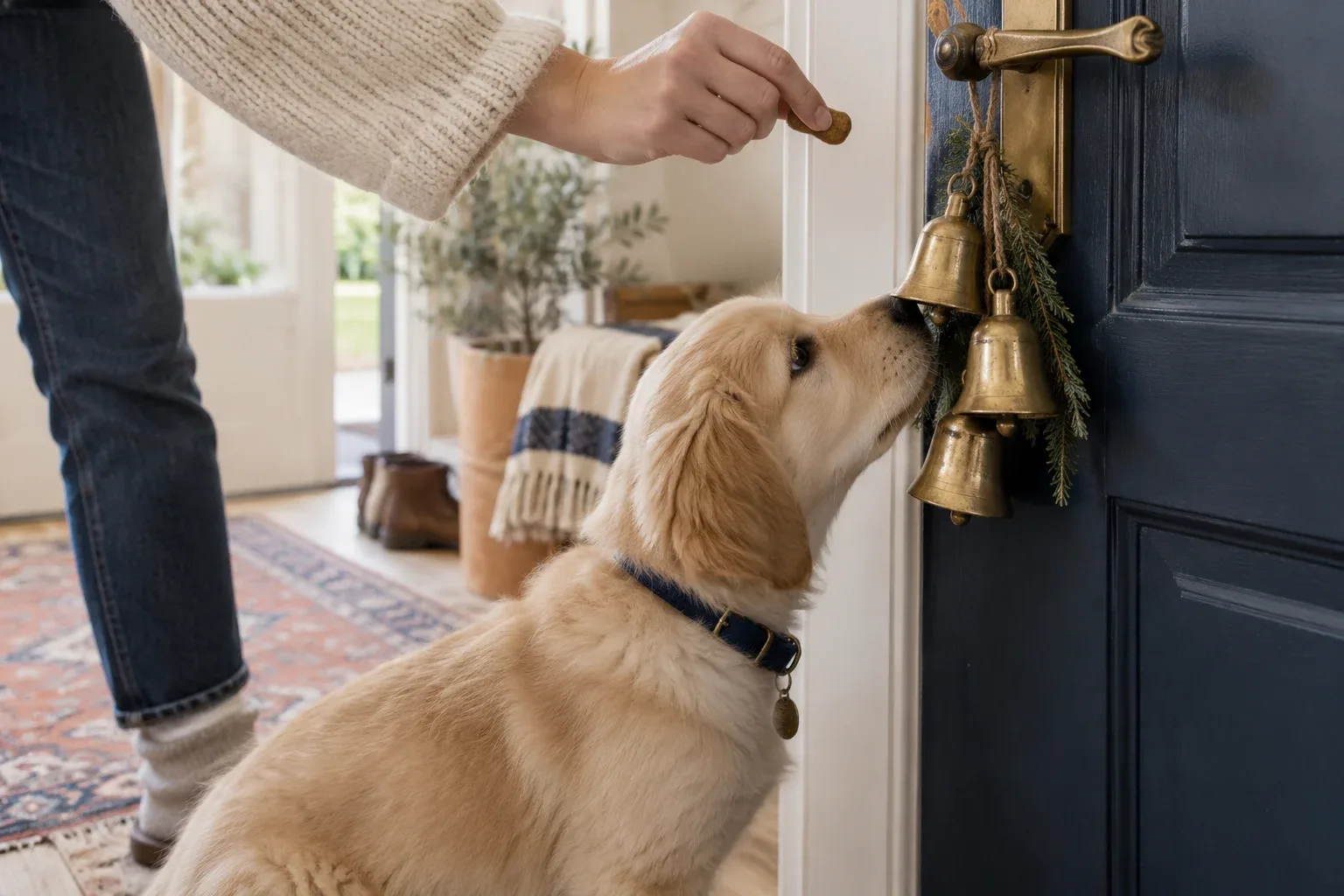
Hold the bell strand near your puppy's nose. The moment they sniff or nudge it and it rings, say "yes" and give a small treat. Repeat a few times, then put it away. Keep sessions to a minute or two.
- Hang it on the potty door
Hang the bell on the door you use for potty trips. Practice a few touches there, still rewarding each ring.
- Ring before every scheduled trip
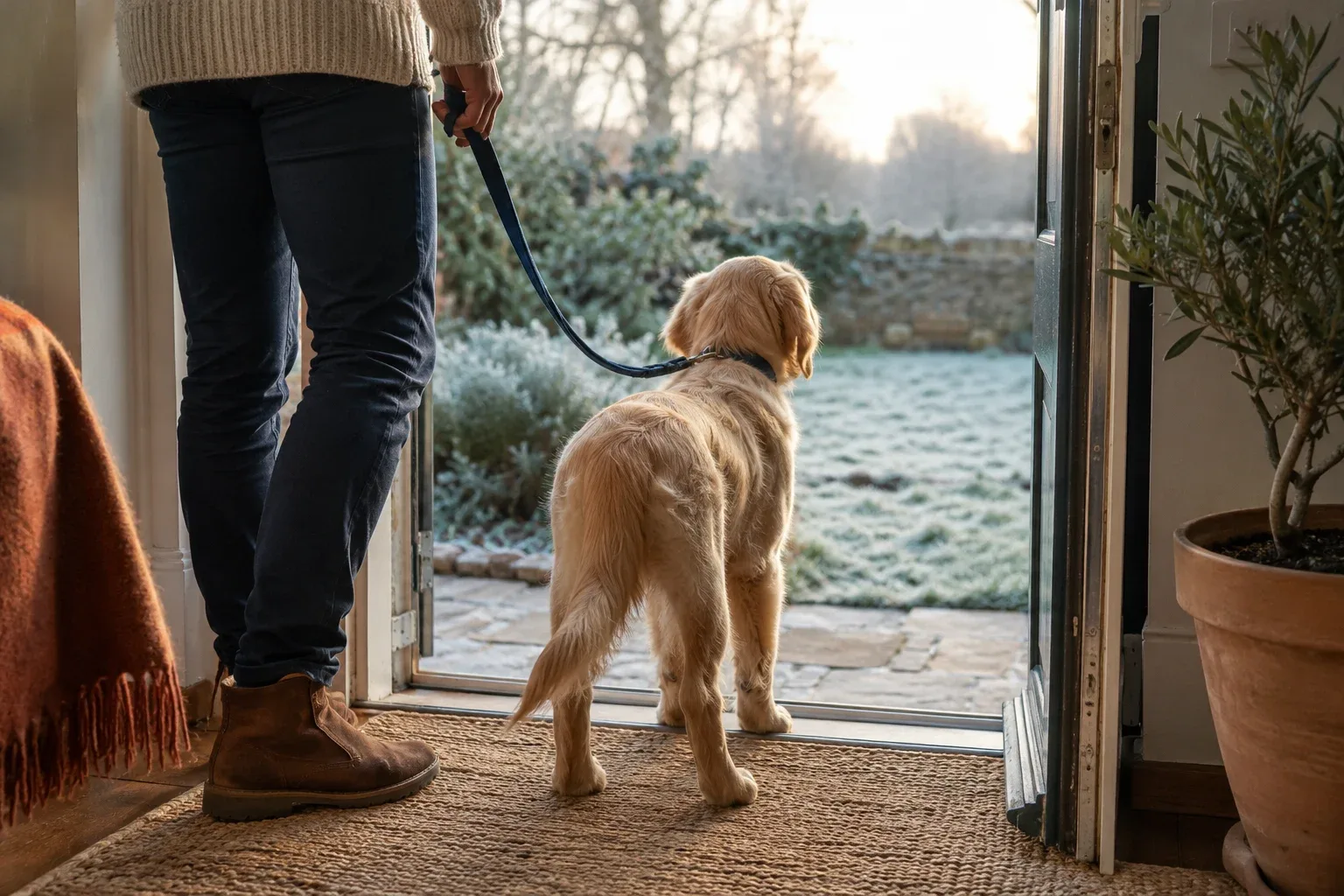
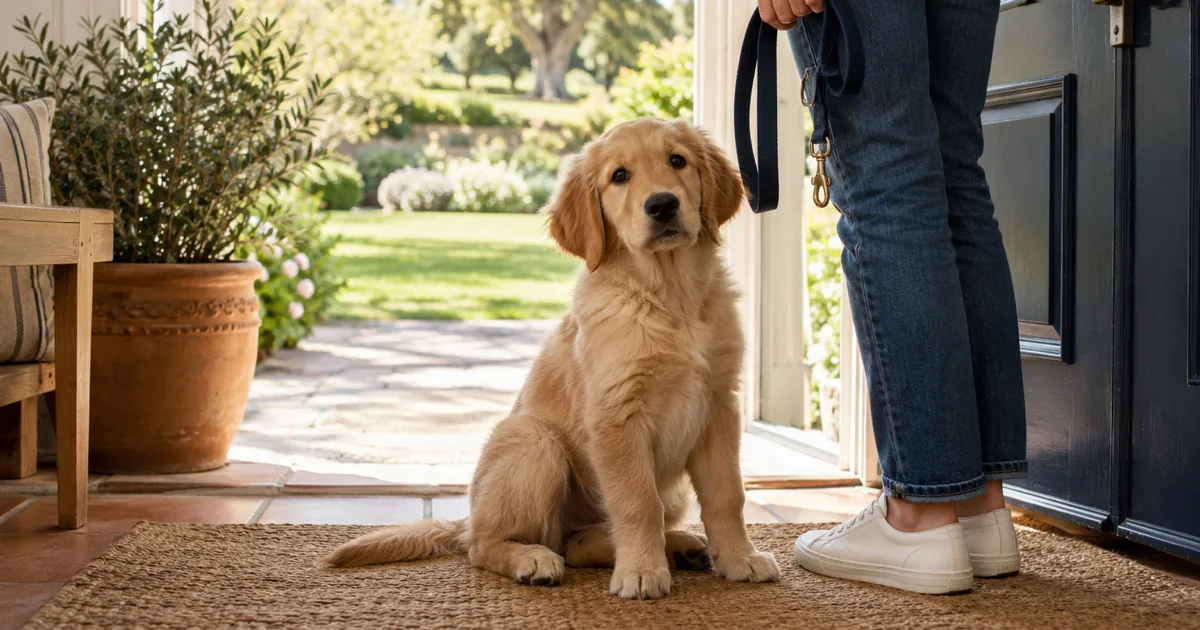
At each planned potty time, walk your puppy to the door on leash and wait a moment. If they touch the bell, praise and open the door. If not, prompt by holding the bell closer, then open after the ring.
- Make the trip boring and short
Walk straight to the potty spot on leash. Stand still for a couple of minutes. If your puppy goes, reward right there. If not, go back inside and try again soon.
- Answer every real ring
Once your puppy rings on their own, answer every ring with the same short potty trip. Consistency in the first weeks is what makes the bell mean "potty".
How to stop fake rings
The most common way bell training goes wrong: the puppy learns the bell opens the door to the fun outside. Now it rings for squirrels, leaves and attention, and you cannot tell which ring is real.
- Keep the leash on for bell trips. No zoomies, no fetch, no long sniffing walks after a ring.
- Two minutes, then back in. If nothing happens, come inside calmly. Try again in a few minutes if they ring again.
- Play happens from a different door, or after potty. If your puppy goes, you can follow with play. Without potty, there is no play.
- Do not reward the ring with treats at this stage. Reward the potty instead. The ring already earns the door.
If your puppy rings very often, check the basics first. A puppy who truly needs to go more often may need a vet check, especially with straining, accidents or blood in the urine.
When accidents still happen
Bells do not stop accidents on their own. A puppy who has an accident inside without ringing usually was not taken out at the right moment or was left loose too long. Go back to scheduled trips after waking, eating and play, and keep naps in a crate or pen. Our guide on how to potty train a puppy covers timing, cleaning and regression in detail, and the puppy sleep schedule helps you plan the naps.
Never punish an accident. Clean it with an enzyme cleaner and take the next trip a little earlier. Short, leashed trips also help if your puppy has started eating poop in the yard, since you are right there when they finish.
Mistakes to avoid
- Hanging the bell and hoping. A bell with no training is decoration.
- Using the bell on several doors. One potty door keeps the meaning clear.
- Letting the bell trigger play. This is where fake rings come from.
- Ignoring rings when busy. A ring you miss teaches your puppy the bell does not work.
- Dropping scheduled trips too soon. Keep them until accidents have been rare for a while.
The short version
Bell training works when the bell means one thing. Teach the touch, hang it on the potty door, ring before every scheduled trip, keep bell trips short and boring, and answer every real ring. Keep your potty schedule underneath it all.
That schedule is the foundation. Get a free potty and nap plan for your puppy's age and add the bell on top.
Frequently asked questions
You can start around 8 weeks, as soon as your puppy comes home. Teach the touch first with treats, then pair the bell with scheduled potty trips. Young puppies still need regular trips whether they ring or not.
For most puppies, yes. It gives them a clear, easy signal you can hear from another room. It works best on top of a predictable potty schedule, with bell trips kept short so the bell does not become a way to ask for play.
It varies by puppy and by how consistent the household is. Many puppies learn to touch the bell within days. Ringing on their own to ask usually takes longer. Answering every real ring the same way speeds it up.
It is a common rule of thumb: take your puppy out on leash for about 10 minutes. If they go, they get about 10 minutes of supervised free time. If they do not, they rest in the crate or pen for about 10 minutes before you try again. Adjust the times to your puppy's age.
Usually the bell has started to mean "outside fun". Keep every bell trip on leash, stand still for a couple of minutes, and come back in if nothing happens. Play only follows a successful potty trip.
At first you can jingle it to get their attention, but the goal is for your puppy to make the sound. Hold the bell close and wait for a nose or paw touch, then open the door.
Get tomorrow's plan, adapted to how today went
A printed schedule can't see that she peed at 7:10 today; the Coach plan rewrites tomorrow from today's log. Start with the free schedule for your puppy.
Build my puppy's plan- Free starting schedule
- Reward-based practice
- Fits your puppy's day
Share article
About the author
More articles
Potty, crate and sleep · 10 min
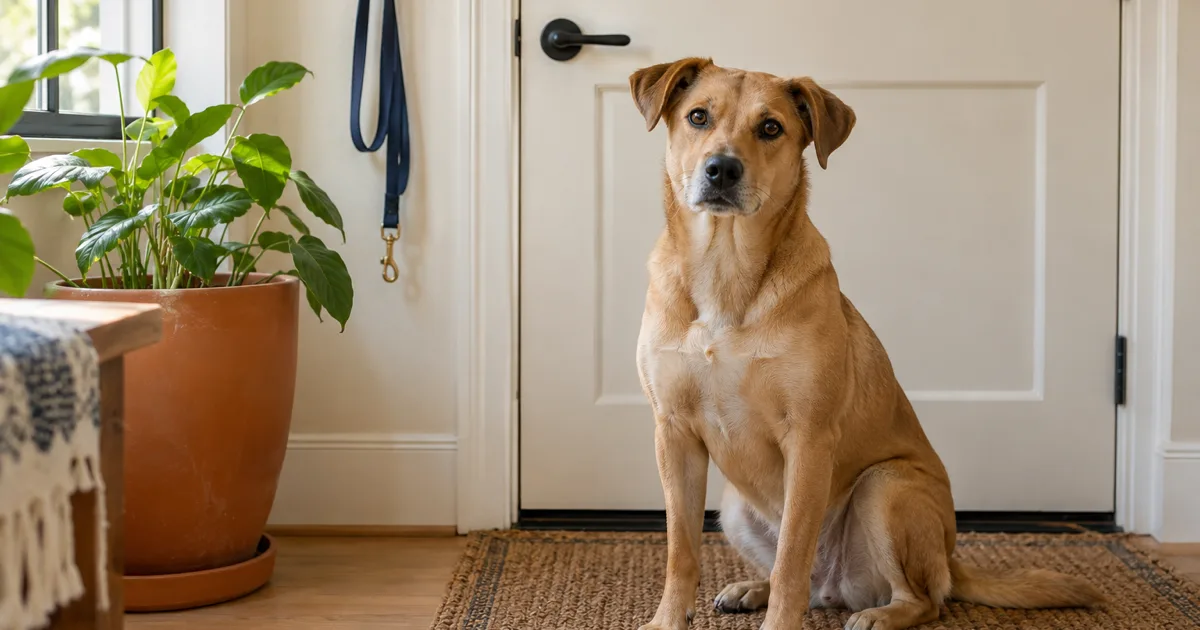
How Long Does It Take to Potty Train a Puppy?
Potty training takes steady support, not a weekend deadline. Learn which milestones matter, why timelines vary and how to spot the next useful change.
Potty, crate and sleep · 14 min
How to House Train a Dog: Puppy or Adult, Step by Step
How to house train a dog of any age: one outdoor spot, a schedule, a reward the second they finish, and supervision in between. What changes for puppies, adult rescues and dogs who start having accidents again.
Potty, crate and sleep · 12 min
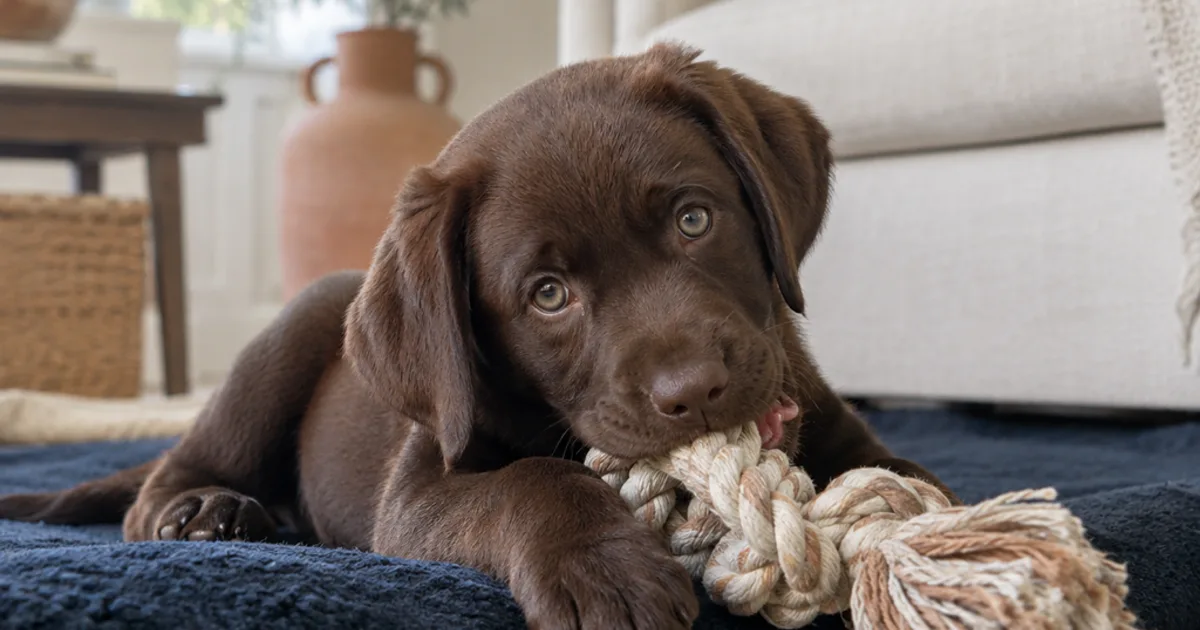
10 Week Old Puppy Schedule: Potty, Crate and Sleep Times
A full 10 week old puppy schedule, hour by hour: potty every 2 hours awake, two quiet night trips, three meals and planned naps, plus how 10 weeks compares with 9 and 12.
Potty, crate and sleep · 11 min
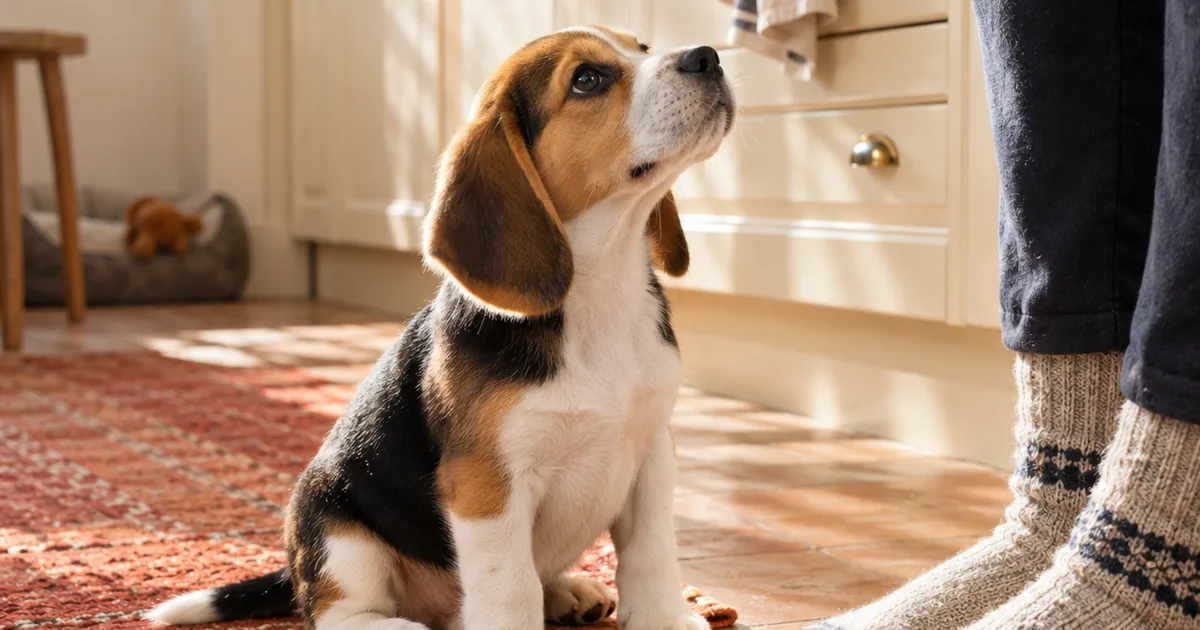
12 Week Old Puppy Schedule: Potty, Crate and Sleep Times
A full 12 week old (3 month old) puppy schedule: potty about every 2.5 hours awake, three meals, night trips at 1:30 and 5:00 am, naps and crate practice, compared with 10 and 14 weeks.
Potty, crate and sleep · 12 min
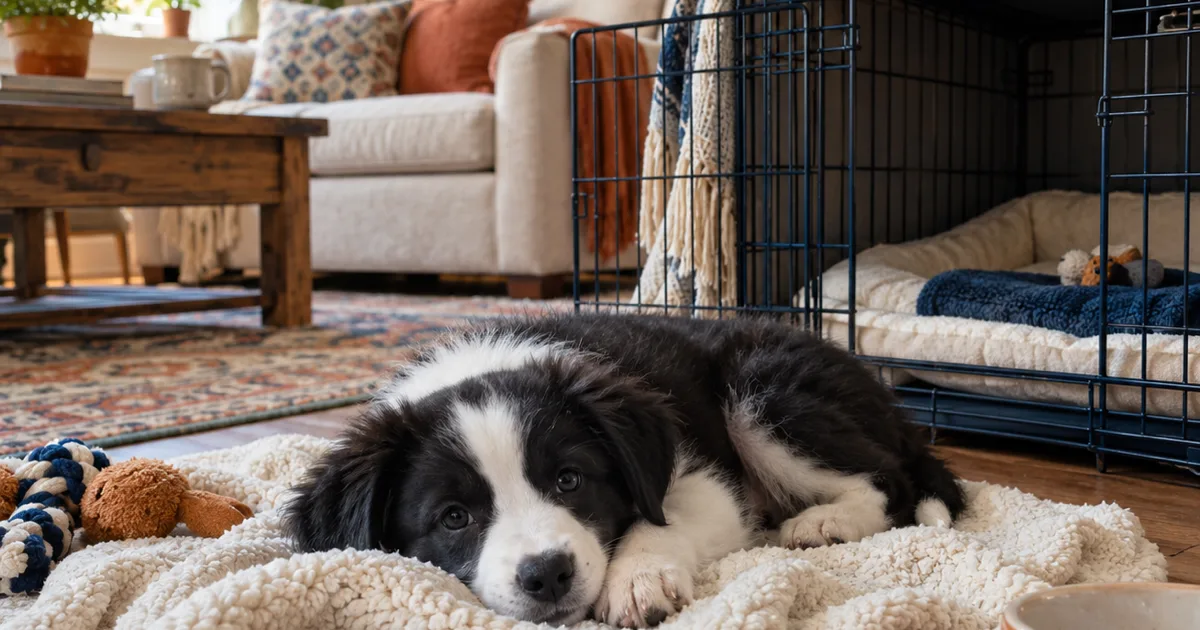
8 Week Old Puppy Schedule: Potty, Crate and Sleep Times
Your 8 week old puppy's first routine, by the hour: potty every 90 minutes awake, three quiet night trips, 20 minute crate practice, and how to keep it going when you are tired.
Potty, crate and sleep · 12 min
9 Week Old Puppy Schedule: Potty, Crate and Night Times
A full 9 week old puppy schedule: every potty trip, meal and nap by time of day, night alarms at 12:45, 3:30 and 6:15, and how week 9 compares with 8, 10 and 12 weeks.