
How to Potty Train a Puppy: The Daily Routine That Works
In this article
To potty train a puppy, take them to one chosen spot at predictable moments (waking, after meals, after play and before bed), stay with them and reward the second they finish. Then write down what happened, so tomorrow's trips land before the accidents instead of after them.
That is the whole method. What makes it hard is not the idea, it is running it on four hours of sleep with a puppy who wakes from a nap while you are on a call. This guide gives you the routine, the real numbers we plan with at each age, and a simple log that turns a bad day into a better plan.
How do you potty train a puppy?
You potty train a puppy by making the right spot easy and the wrong spot rare. Offer the potty area at set moments, reward success on the spot, and supervise closely the rest of the time so accidents have few chances to happen.
The counterintuitive part: the puppy is not the main thing you are training. You are training the household. Most accidents happen in a gap, when nobody was watching, the trip came late, or the next person did not know the puppy had not gone yet. Close the gaps and the puppy learns fast. For realistic milestones beyond a few dry days, see how long puppy potty training takes.
Start with a clear destination
Choose where you want the next successful trip to happen. Put shoes, leash, cleanup supplies and treats by the exit you use. Walk the route yourself once. In an apartment, count the doors and the wait for the elevator, because a plan that starts at the grass misses the hardest part of the trip.
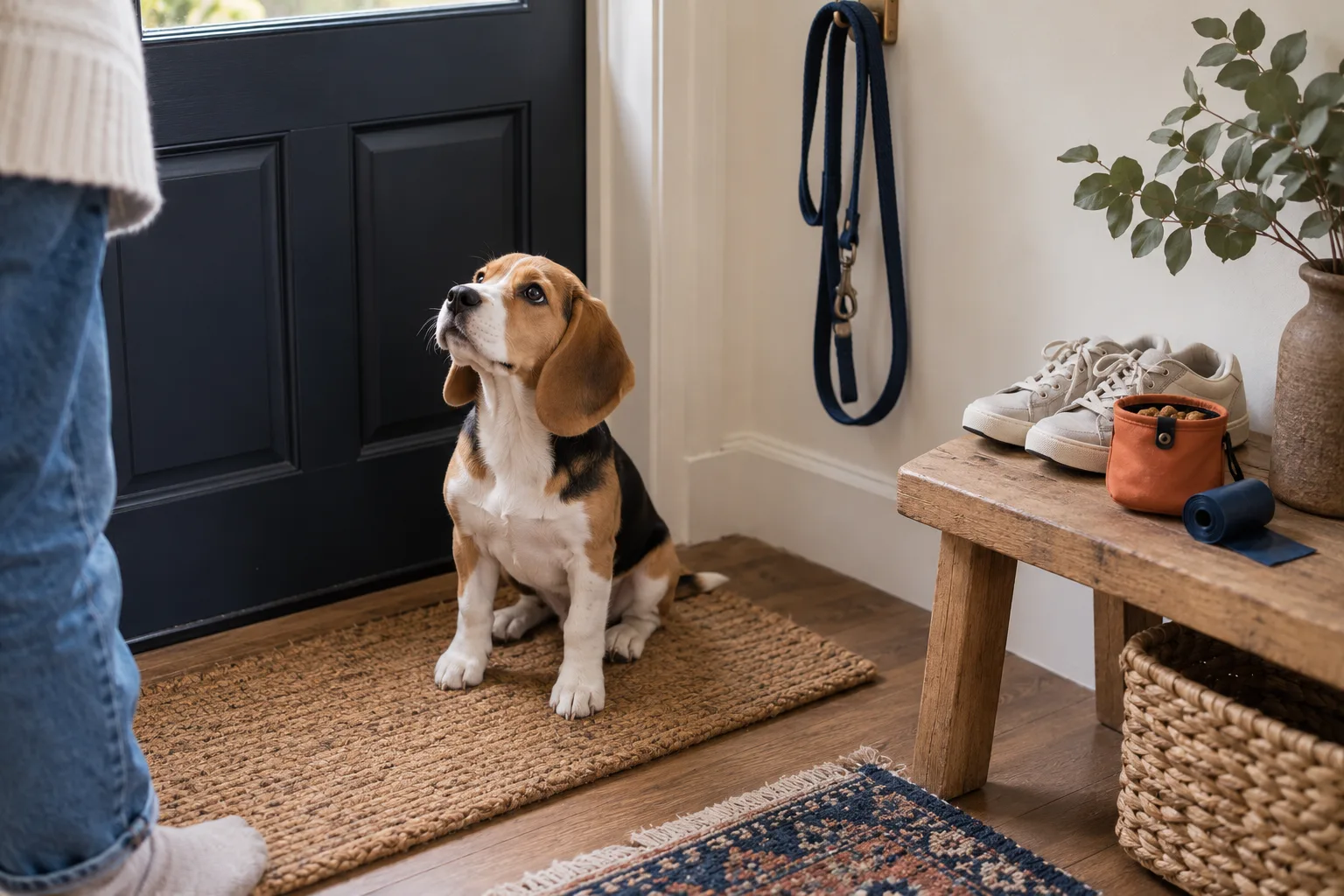
Pick a spot that suits your puppy with your vet's guidance about outdoor exposure before vaccines are complete. The AKC housetraining guide recommends the same core: supervision, a regular routine and rewarding the right place.
When should you take a puppy out to potty?
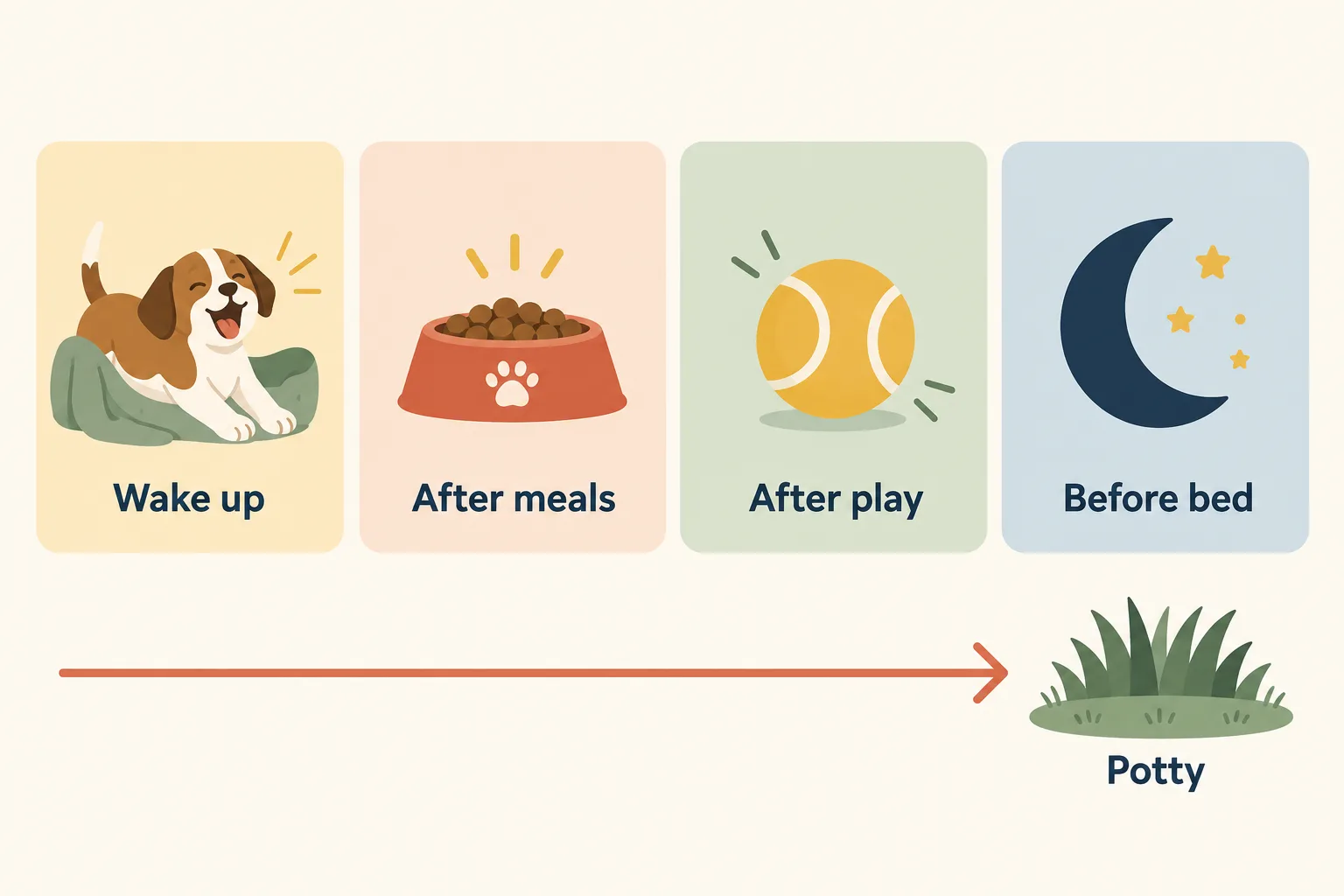
Take your puppy out right after they wake, about 20 minutes after each meal, right after play, and as the last thing before bed. Add a trip whenever you see sniffing, circling or a sudden walk away from you, without waiting for the clock.
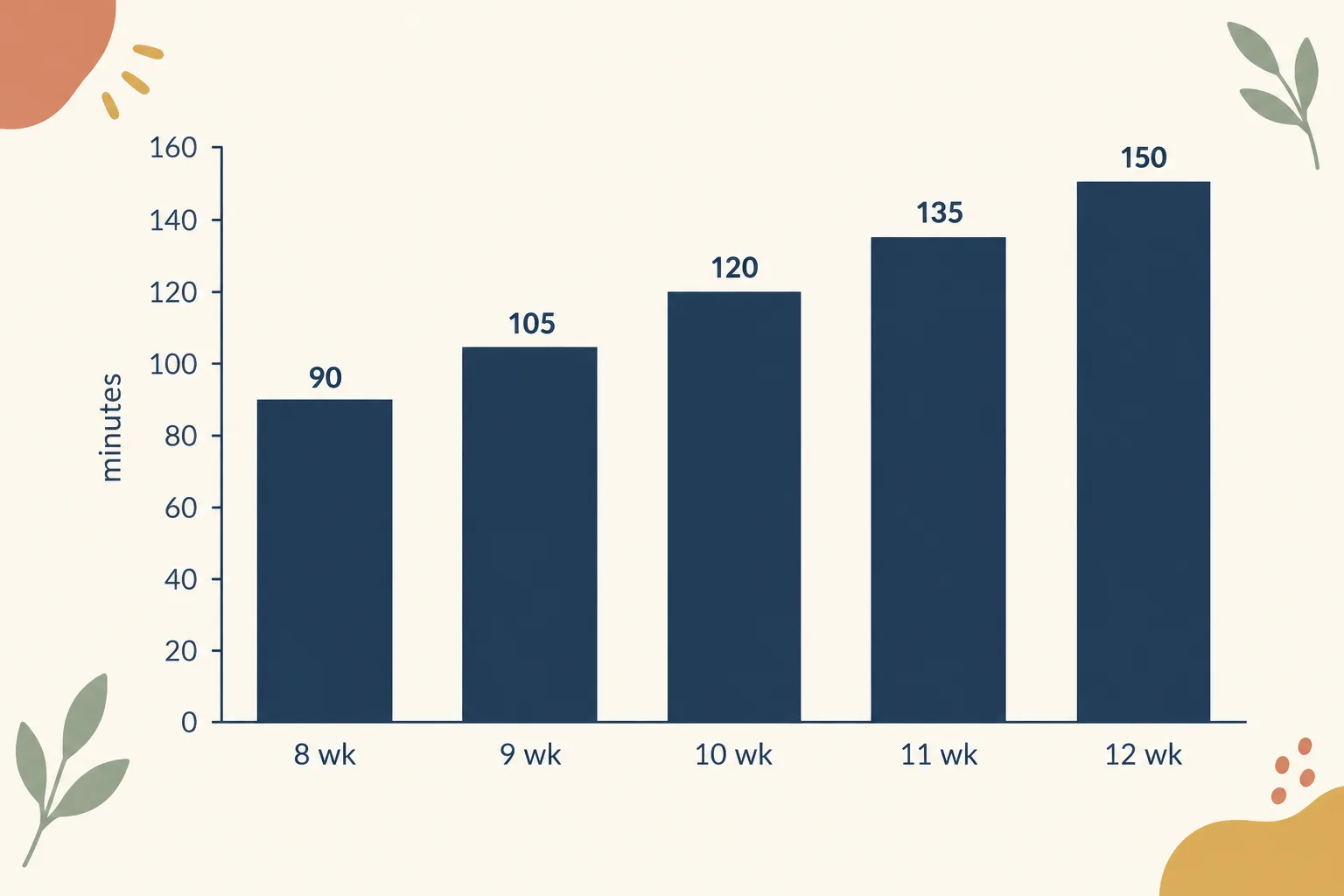
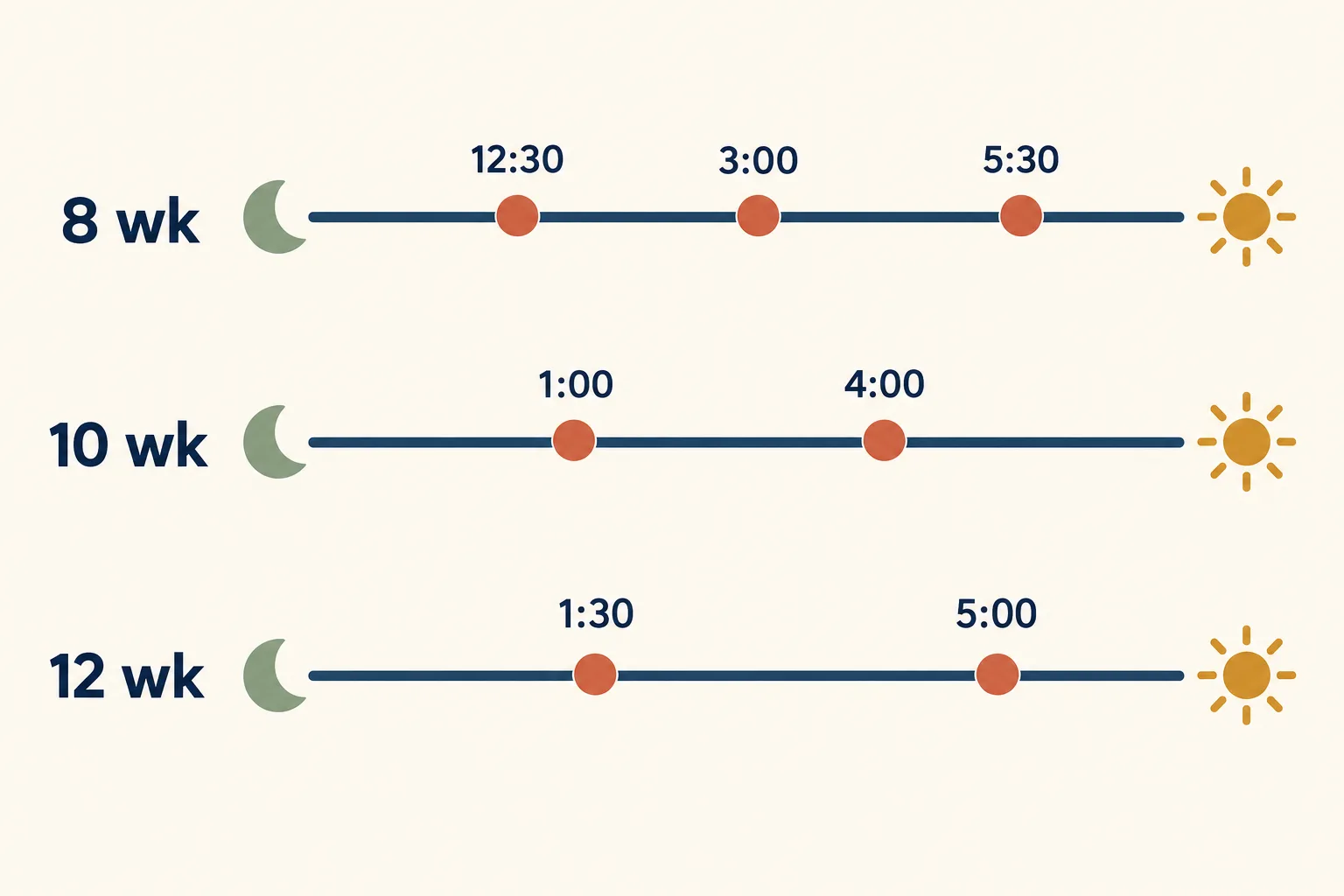
Between those moments, use an awake reminder as a backstop. These are the per-week planning numbers that power our schedules. They are conservative rules we use to place reminders, not a test of how long your puppy can hold it.
| Age | Awake potty reminder | Longest planned night stretch | Night potty checks |
|---|---|---|---|
| 7 weeks | 75 minutes | 135 minutes | 12:15 am, 2:30 am, 4:45 am |
| 8 weeks | 90 minutes | 150 minutes | 12:30 am, 3:00 am, 5:30 am |
| 9 weeks | 105 minutes | 165 minutes | 12:45 am, 3:30 am, 6:15 am |
| 10 weeks | 120 minutes | 180 minutes | 1:00 am, 4:00 am |
| 11 weeks | 135 minutes | 195 minutes | 1:15 am, 4:30 am |
| 12 weeks | 150 minutes | 210 minutes | 1:30 am, 5:00 am |
| 14 weeks | 180 minutes | 240 minutes | 2:00 am, 6:00 am |
| 16 weeks | 210 minutes | 240 minutes | 2:00 am, 6:00 am |
The reminder grows by 15 minutes a week. If your puppy signals sooner, go sooner. Toy puppies get shorter reminders in our generator, and a large breed does not get a longer one.
A sample potty day for an 8 week old puppy
Here is the full example day from our planner for an 8 week old puppy. Notice how many lines are a potty trip: almost every change of activity starts or ends at the door.
| Time | What happens |
|---|---|
| 6:30 am | Wake up, straight out for potty |
| 7:00 am | Breakfast, then a quiet moment |
| 7:20 am | Potty, 20 minutes after breakfast |
| 7:30 am | Reward-based training, 3 minutes |
| 7:50 am | A little play, then straight out for potty |
| 8:00 am | Crate nap, settle nearby, door open until comfortable |
| 10:00 am | Wake from nap, potty |
| 10:20 am | Gentle play, then potty before resting again |
| 10:30 am | Quiet rest or a crate nap |
| 12:00 pm | Midday wake-up, potty with you or a helper |
| 12:10 pm | Lunch |
| 12:30 pm | Potty, 20 minutes after lunch |
| 1:00 pm | A little play, then potty |
| 1:10 pm | Afternoon crate nap or quiet rest |
| 3:00 pm | Wake from nap, potty |
| 3:40 pm | Gentle play, then potty |
| 3:50 pm | Another quiet nap |
| 6:00 pm | Wake up, potty |
| 6:10 pm | Dinner |
| 6:30 pm | Potty, 20 minutes after dinner |
| 6:45 pm | Reward-based training, 3 minutes |
| 7:00 pm | Calm play, then potty |
| 7:10 pm | Evening rest near you |
| 9:00 pm | Wake up, potty, then a quiet cuddle |
| 10:00 pm | Last potty, then bedtime beside your bed |
| 12:30 am | Quiet night potty on a lead, back to bed with no play |
| 3:00 am | Quiet night potty on a lead, back to bed with no play |
| 5:30 am | Quiet night potty on a lead, back to bed with no play |
Use it as a starting draft, then move lines to fit your home. The 8 week old puppy schedule explains each block, and the schedule by age shows how the day changes as your puppy grows.
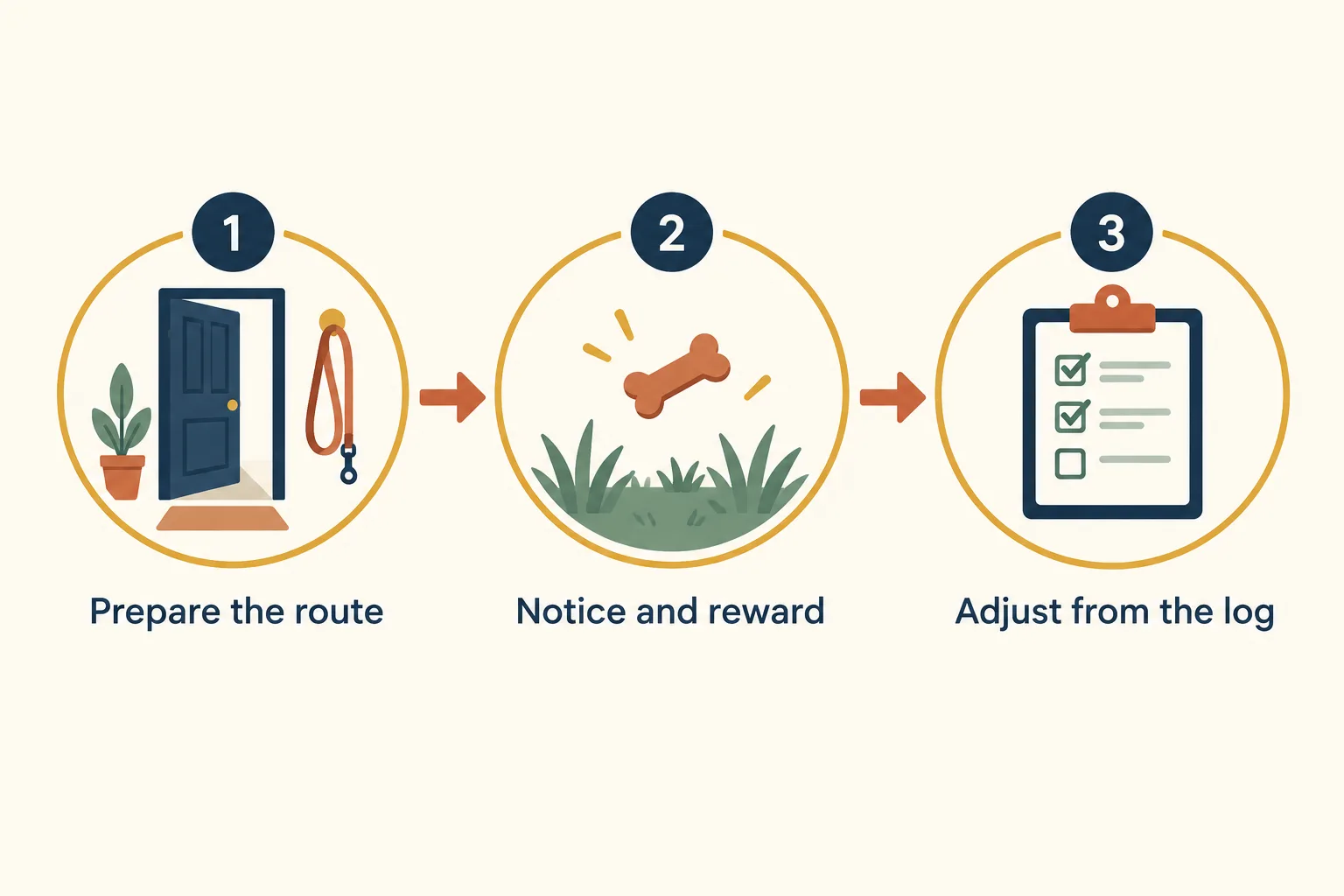
How to potty train a puppy in three steps
- Prepare the route
Choose the potty destination and put treats and supplies by the exit. Agree on who supervises the puppy now and who takes over next. Ask your vet about outdoor exposure that suits your puppy's age.
- Notice and reward
Offer the destination after waking, meals and play, and go sooner when you see signals. Stay with your puppy and reward right after they finish in the chosen place. If nothing happens, bring them back to close supervision and try again soon.
- Adjust from the log
Write down successes and accidents with what happened just before. Pick one practical change for the next similar moment. If your own day leaves a gap, arrange help rather than stretching the puppy's reminders to fit.
Puppy potty training tips that actually move the needle
- Watch the transition. A nap ending or a game finishing is your cue. Have the leash in hand before the puppy starts searching.
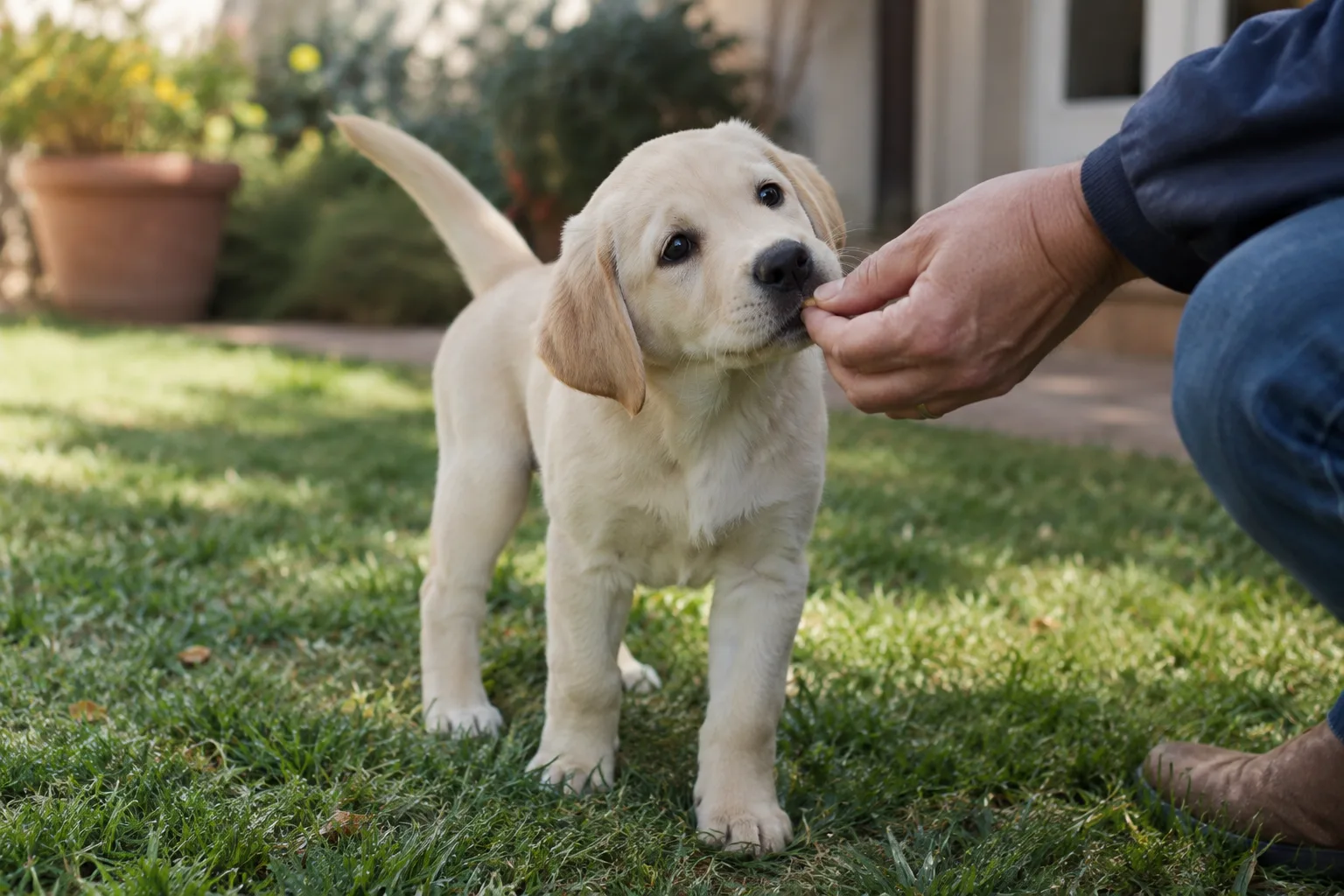
- Reward at the spot. Carry the treat outside. A reward handed out back in the kitchen pays the walk home, not the pee.
- Use one short cue. Say the same words, such as "go potty", quietly while they go, and it becomes a cue you can use before bed and in new places.
- Share the facts. Tell the next caregiver whether the puppy went, not only that a trip happened.
- Review one pattern. Choose one repeated tricky moment, such as the afternoon meeting, and change only that.
Say it once, quietly, as your puppy starts sniffing the spot. Reward the second they finish.
If your puppy already heads to the door, a bell can make the signal clearer. Our bell training guide shows how to add one without turning it into a doorbell for play.
Dog potty training after an indoor accident
An accident is information about your setup, not about your puppy's character. Clean the spot with a product that suits the surface, keep the puppy away while it dries, then look backward: when did they last wake, eat, play or go outside?
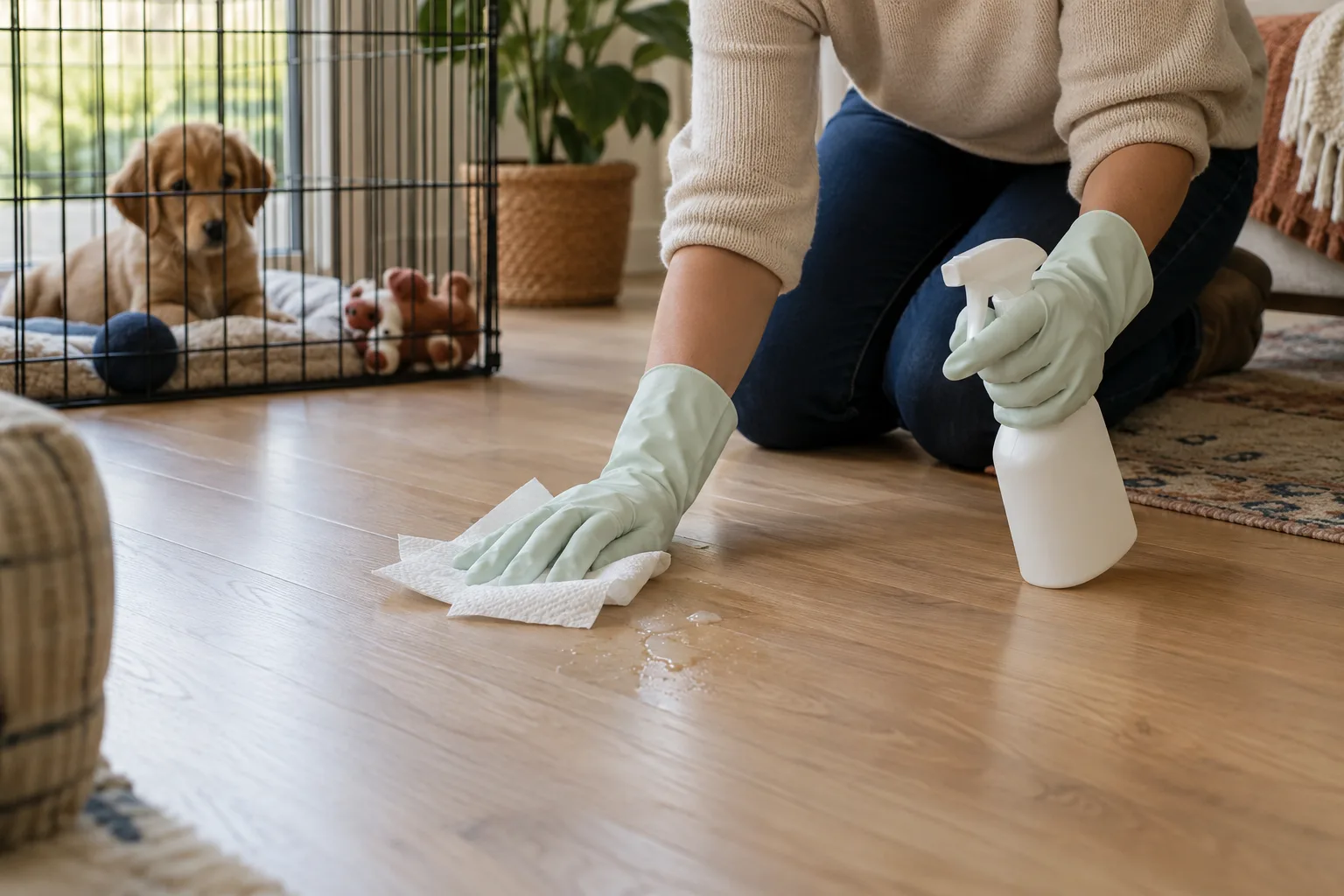
Never punish an accident, rub a nose in it or scold after the fact. The AVSAB position statements back reward-based teaching, and punishment mostly teaches a puppy to hide when they go. If you catch them starting, calmly carry or lead them to the spot and reward if they finish there. The same rule holds for a grown dog: house training an adult dog runs on the same reward-first loop.
Then close the gap that made the accident possible. Maybe the trip after play came late, or the puppy had a whole room to themselves. A crate introduced gently can be part of a calm management plan, but it cannot replace trips or cover an absence that is too long.
The accident log that fixes tomorrow
Here is where most free advice stops working. You can follow every tip and still have three accidents a day, because the pattern behind them is invisible when you are tired. The fix is a four-column log by the door.
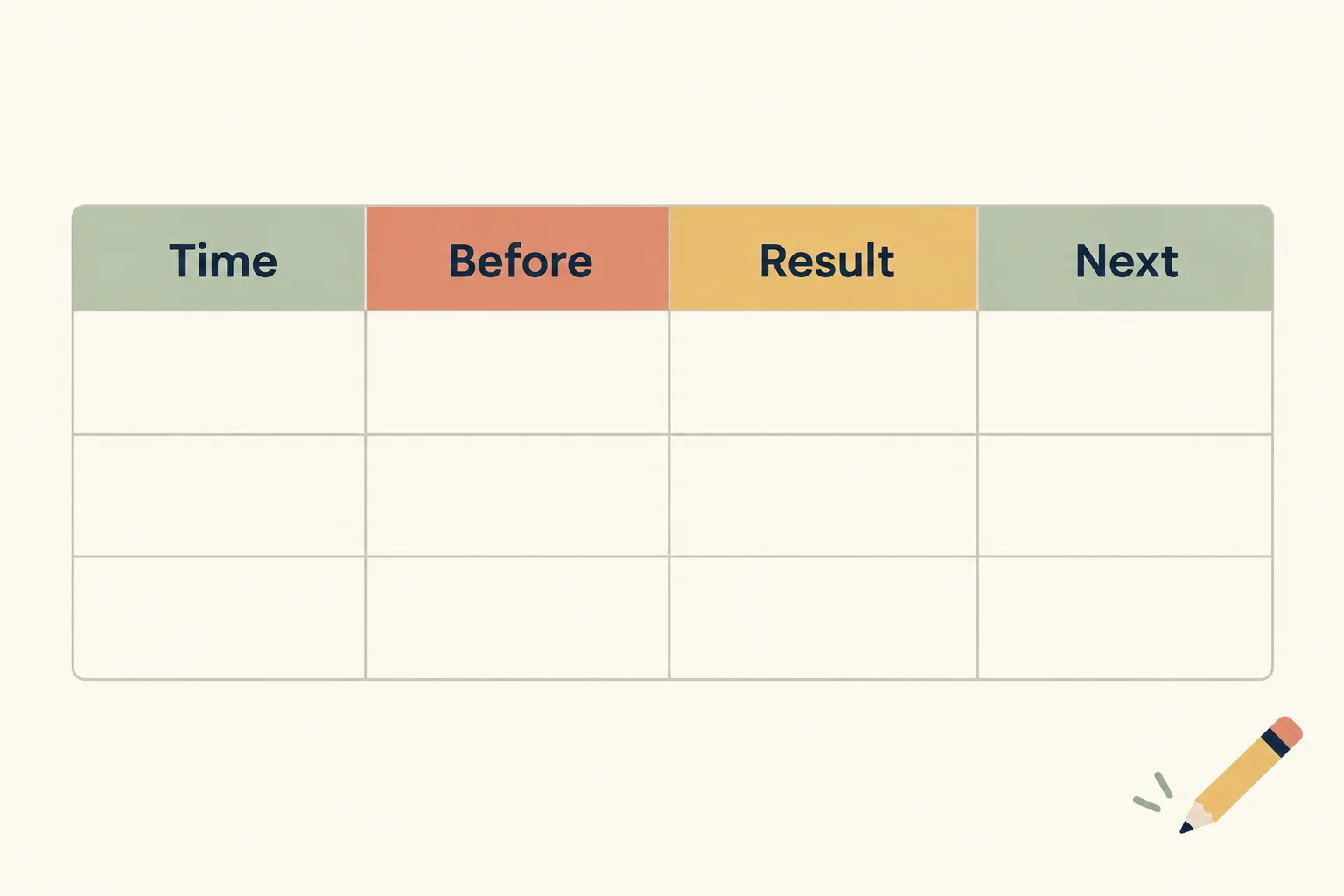
| Time | What happened before | Result | Next caregiver |
|---|---|---|---|
| 7:05 am | Woke up, straight out | Pee outside, rewarded | Sam |
| 9:40 am | Play in living room, 20 minutes | Accident by the sofa | Sam |
| 10:15 am | Nap ended | Went out, nothing | Alex, watch closely |
Do not count an empty trip as a success or a failure. Write it plainly, so the next person knows the puppy still needs to go. At night, look for one spot where an earlier trip or a different handoff would have helped.
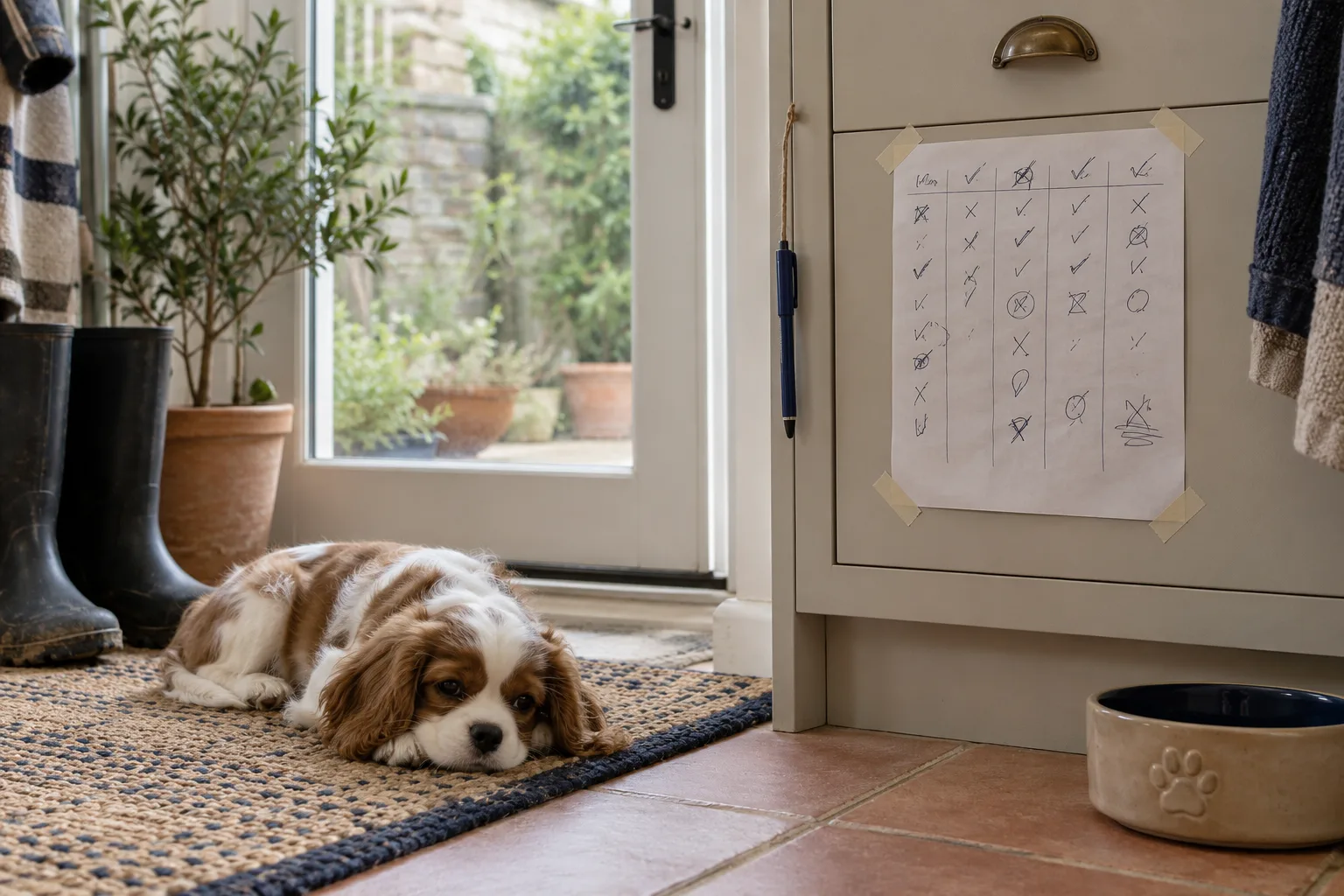
A paper sheet works. The wall it hits is that you still have to read the log and rewrite tomorrow yourself, every night. That is the part our planner does for you: log how today went and it moves tomorrow's potty reminders around the moments that actually went wrong.
Potty training in an apartment or with shared caregivers
In an apartment, the trip starts at your door, not the grass. Keep the leash, shoes and treats in one place, use the same exit when you can, and start moving the moment your puppy wakes.
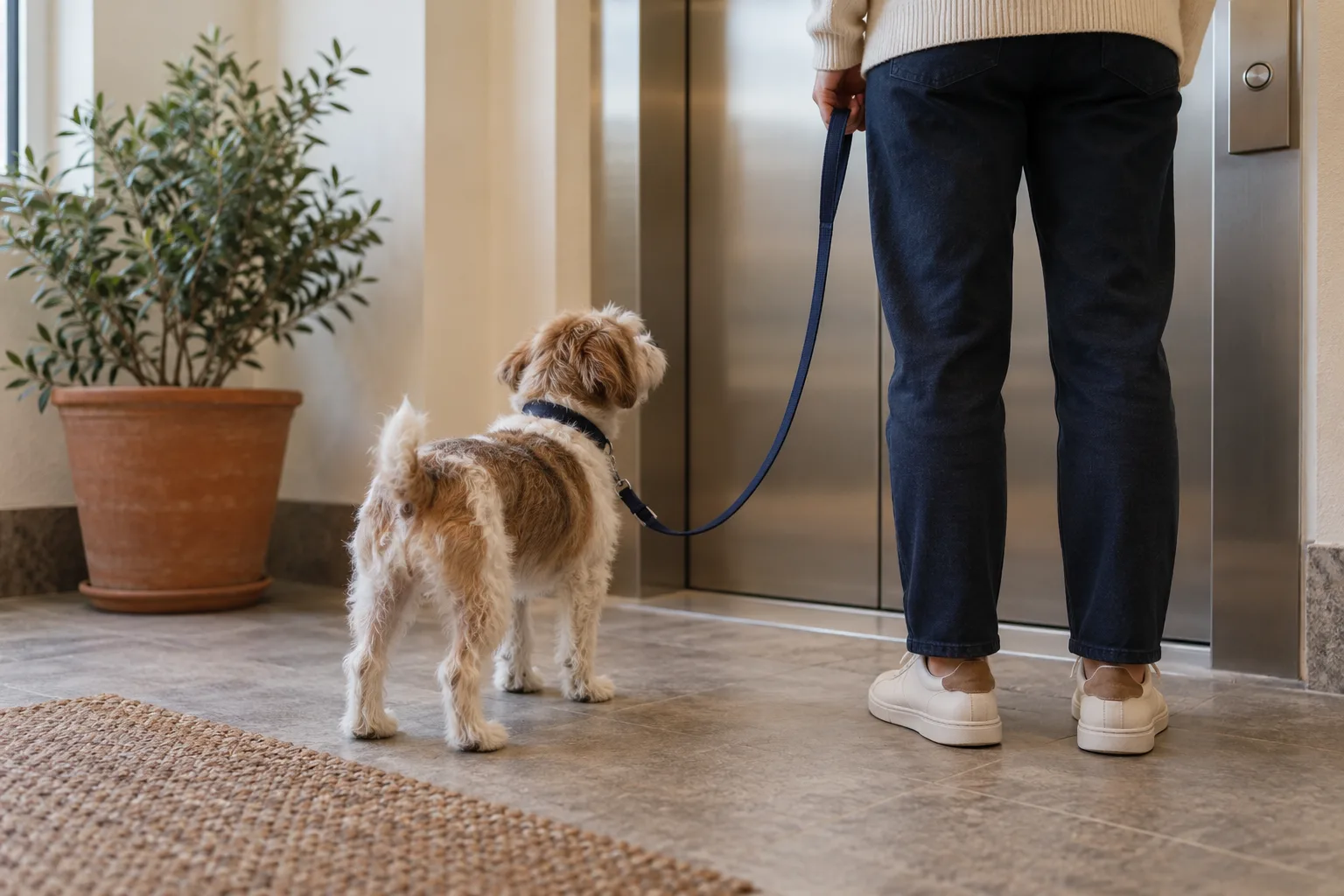
Make handoffs specific. "Out after waking, peed at the spot, breakfast next" lets the next adult act without guessing. If getting outside quickly is not realistic, ask your vet or a reward-based trainer about a setup that suits your building. The crate size calculator helps with fit, which is a separate question from how long your puppy can wait.
Potty regression: what to review and when to call the vet
If accidents come back after a good stretch, look at what changed: room access, missed trips, a new caregiver, a busy week. Go back to closer supervision while you work it out, and keep water available. Never restrict water to stretch the schedule.
A sudden regression, especially with other changes, is a reason to call your vet today. A training plan cannot rule out a medical cause.
The short version
Potty training is a routine, not a personality test. Pick one spot, take your puppy there after waking, meals, play and before bed, reward on the spot, and log what happens so tomorrow's trips land earlier. If nights are rough, our guides to the puppy sleep schedule and crying in the crate at night cover what comes after the last potty trip.
Start with a free schedule built for your puppy's age, then let it learn from your log. Get tomorrow's plan, adapted to how today went.
Frequently asked questions
It varies with age, routine and how many gaps the day has. Many puppies make clear progress within a few weeks of consistent trips and rewards, but full reliability often takes months. A log shows real progress sooner than a calendar does.
Start with closer supervision, one clear potty spot and timely trips to reach it. Reward successful trips and write down what happens around accidents. Limit access to rooms you cannot watch. If the change is sudden or comes with red flags, call your vet today.
Do not build the plan around a smell that promises to stop accidents. Clean with a product that suits the surface and follow its directions. Then fix supervision and the timing of the next trip outside, which is what actually prevents the next accident.
We do not rank breeds or promise a breed-based finish date. Work with your puppy's current behavior, access to a potty area and the care you can give. If progress stalls, bring your log to a qualified reward-based trainer.
A log may show changed supervision, room access or missed trips, but it cannot rule out a health problem. Sudden regression is a reason to call your vet today. Meanwhile, watch more closely and offer more trips.
Yes. Plan the full route including doors and elevator time, keep supplies by the exit and agree on handoffs. If outdoor access cannot keep up with your puppy's needs, ask your vet or a reward-based trainer about a suitable indoor option.
Get tomorrow's plan, adapted to how today went
A printed schedule can't see that she peed at 7:10 today; the Coach plan rewrites tomorrow from today's log. Start with the free schedule for your puppy.
Build my puppy's plan- Free starting schedule
- Reward-based practice
- Fits your puppy's day
Share article
About the author
More articles
Potty, crate and sleep · 10 min
How Long Does It Take to Potty Train a Puppy?
Potty training takes steady support, not a weekend deadline. Learn which milestones matter, why timelines vary and how to spot the next useful change.
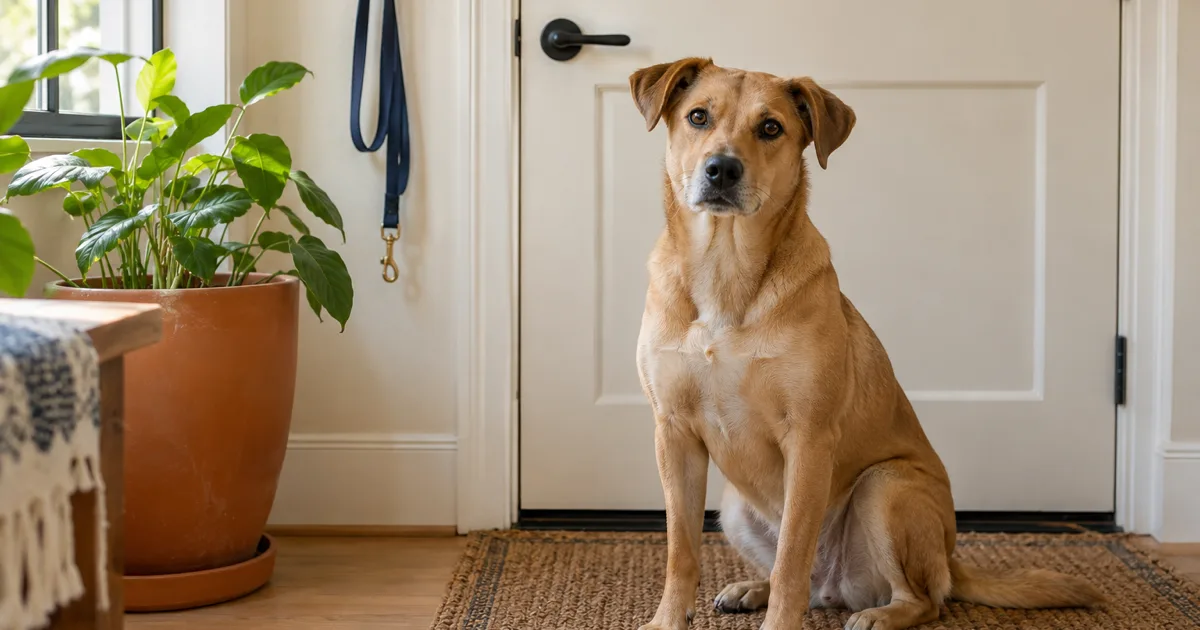
Potty, crate and sleep · 14 min
How to House Train a Dog: Puppy or Adult, Step by Step
How to house train a dog of any age: one outdoor spot, a schedule, a reward the second they finish, and supervision in between. What changes for puppies, adult rescues and dogs who start having accidents again.
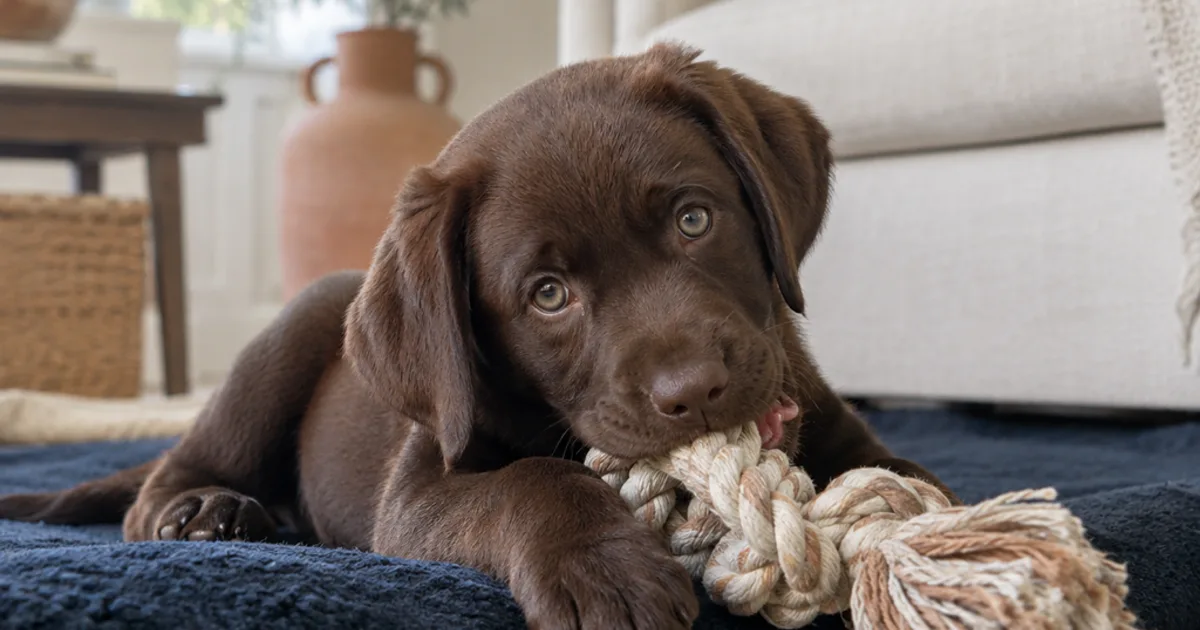
Potty, crate and sleep · 12 min
10 Week Old Puppy Schedule: Potty, Crate and Sleep Times
A full 10 week old puppy schedule, hour by hour: potty every 2 hours awake, two quiet night trips, three meals and planned naps, plus how 10 weeks compares with 9 and 12.
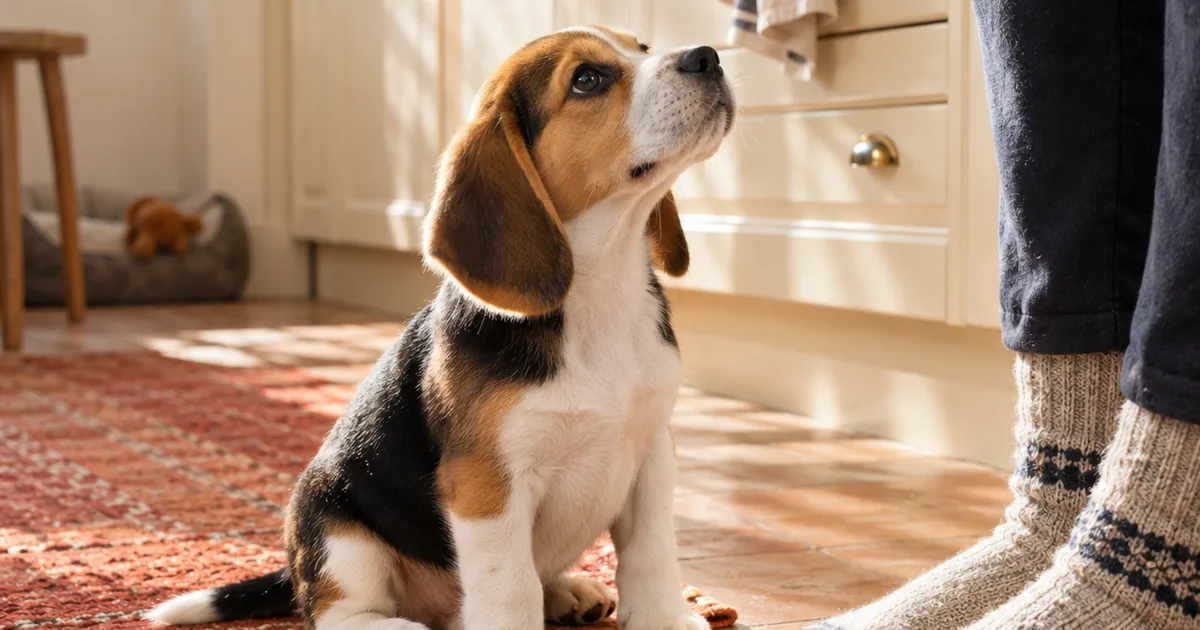
Potty, crate and sleep · 11 min
12 Week Old Puppy Schedule: Potty, Crate and Sleep Times
A full 12 week old (3 month old) puppy schedule: potty about every 2.5 hours awake, three meals, night trips at 1:30 and 5:00 am, naps and crate practice, compared with 10 and 14 weeks.
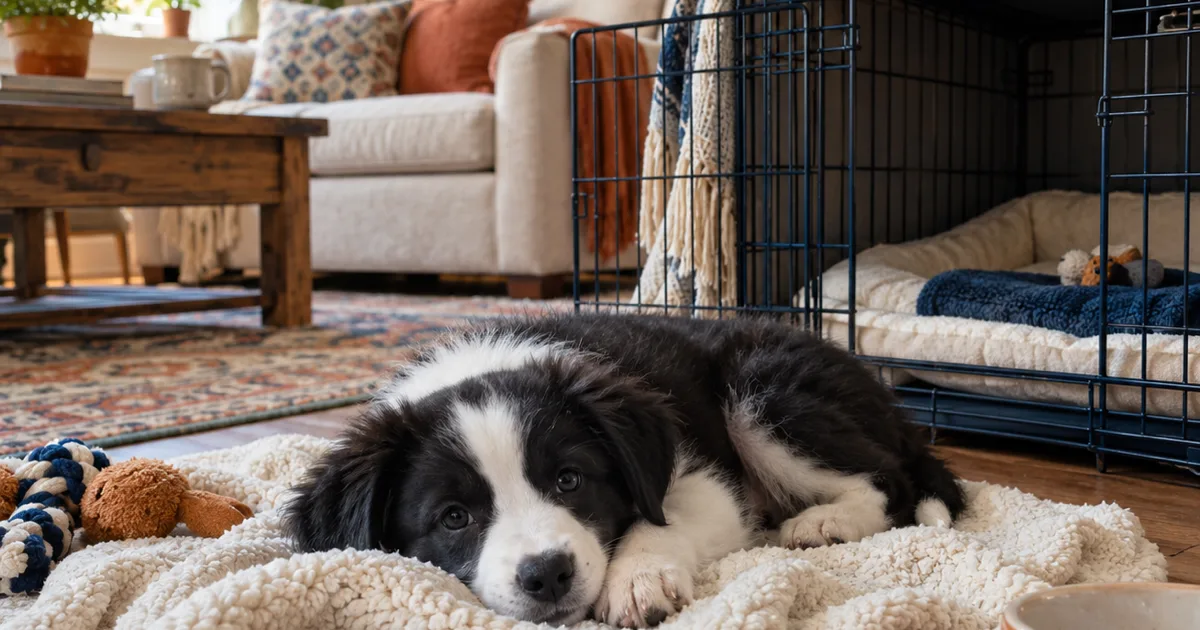
Potty, crate and sleep · 12 min
8 Week Old Puppy Schedule: Potty, Crate and Sleep Times
Your 8 week old puppy's first routine, by the hour: potty every 90 minutes awake, three quiet night trips, 20 minute crate practice, and how to keep it going when you are tired.
Potty, crate and sleep · 12 min
9 Week Old Puppy Schedule: Potty, Crate and Night Times
A full 9 week old puppy schedule: every potty trip, meal and nap by time of day, night alarms at 12:45, 3:30 and 6:15, and how week 9 compares with 8, 10 and 12 weeks.